Property Listing
How to write a clear property listing that helps buyers
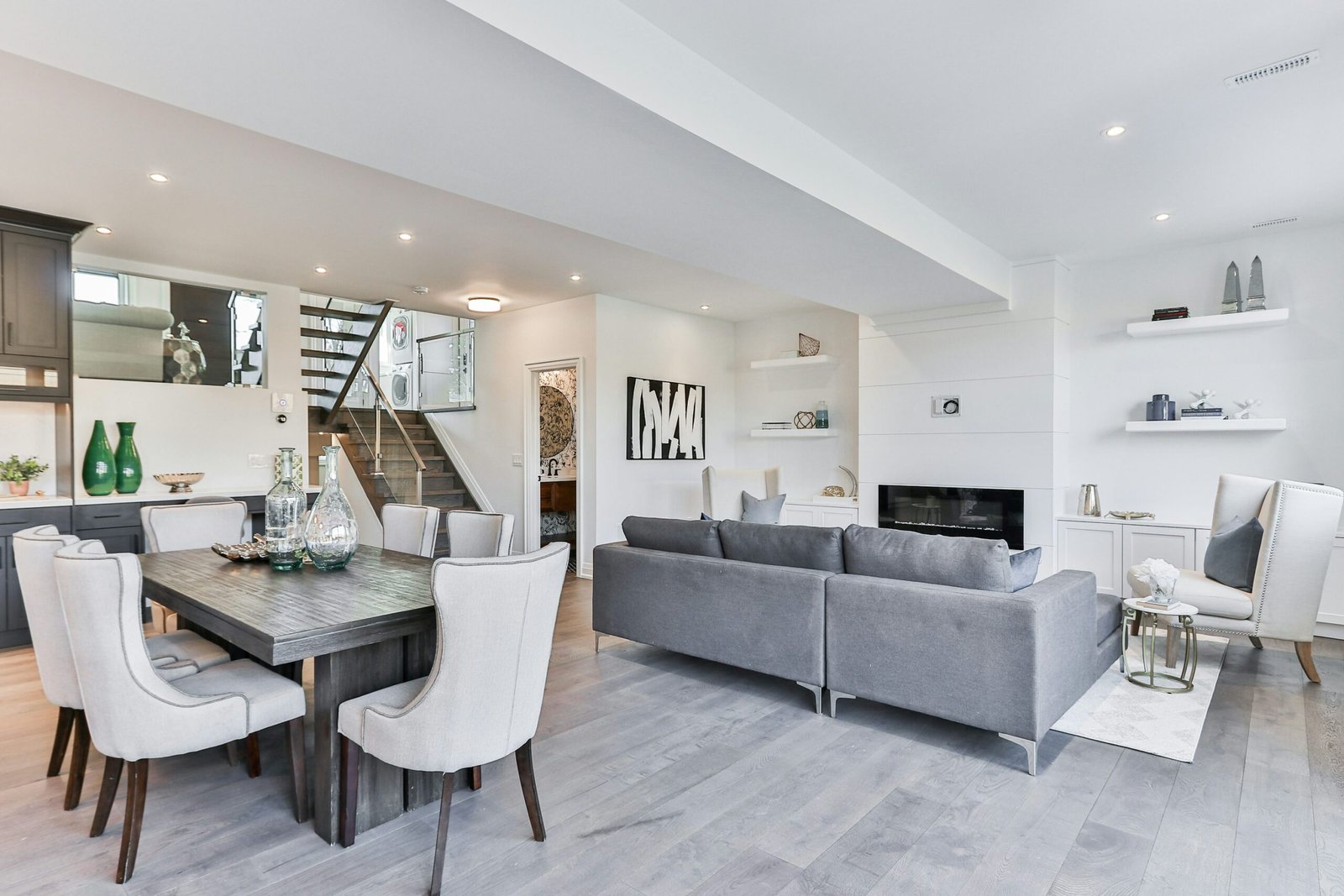
A property listing should help a buyer understand what is for sale, where it is and which details still need to be confirmed.
A useful property listing helps someone decide whether to ask for more information or arrange a viewing. It explains the main facts, shows the property clearly and makes the next step easy. It does not need a long introduction full of dramatic promises. Buyers usually need understandable information before they can judge whether a home fits their plans, location and spending limit.
Writing a good advertisement begins before the writing itself. Gather reliable details, check what is included and identify anything that still needs an answer. Then arrange the information in a sensible order. This guide offers a straightforward method for owners and agents advertising property in Thailand. It is about clear communication, rather than replacing professional advice about a sale or the legal accuracy of particular documents.
Plan your property listing around verified facts
Start with a property fact sheet. Record the type of property, exact location, asking price, number of bedrooms and bathrooms, relevant area figures and contact details. Add the development name, floor or unit information where appropriate. Keep the advertisement reference with the sheet so that photographs and enquiries can be matched to the right property. If several people are preparing the listing, nominate one person to maintain the final version.
Do not fill gaps by making a likely guess. If the area is unclear, ask where the figure comes from and what it measures. If you are uncertain whether a room should be described as a bedroom, seek an appropriate explanation before using the label. Record the date of important information. A fact sheet is not intended to prove ownership or resolve a legal question, but it makes it much easier to see which statements have a reliable basis and which still need checking.
Write a title that identifies the property
A helpful title gives the reader a quick idea of what is being offered. It may combine the property type, a useful feature and the location or development name. Keep it specific enough to distinguish the property from several similar advertisements. A title such as three-bedroom house with a garden in a named area tells a reader more than a string of words such as stunning, perfect and unbelievable.
Avoid putting every feature into the title. Details can be explained below, where they are easier to read. Do not use claims such as best value, guaranteed income or last chance unless they can be supported and are appropriate to the actual offer. A clear title should continue to make sense when it appears as a small link on a phone. Read it aloud and remove words that add excitement without adding information. Identification is more useful than exaggeration.
Property Listing: explain the offer in the first paragraph
Use the opening paragraph to answer the main questions: what is it, where is it and what is the asking price? Add one or two features that genuinely help a buyer understand the property. For example, a ground-floor layout, a separate guest room or an existing tenancy may be more useful than a decorative description of the entrance. Keep the wording calm and avoid assuming that every reader shares the same idea of luxury or convenience.
The first paragraph should agree with the fact sheet and the photographs. If the property is being sold with particular furniture or equipment, explain that accurately rather than relying on an unclear phrase such as everything included. If the offer has an unusual condition that significantly affects a buyer’s plans, do not leave it until the final line. Clear early information saves time for both the seller and the person deciding whether to enquire.
Describe the layout in an order people can follow
Take the reader through the property in a logical sequence. Begin with the main living areas, then explain the bedrooms, bathrooms and useful outdoor space. Mention how spaces connect when that affects daily life. A kitchen open to the living area, a bedroom accessed through another room or a separate outside workspace may be worth explaining. The description should help a reader connect the words to the photograph sequence.
Use ordinary language and short paragraphs. You do not need to describe every tile or repeat every specification. Focus on details that help someone imagine using the home. If a room has flexible uses, describe the space as it currently exists and distinguish any suggested use from an established fact. Avoid calling an open landing a private office simply because a desk has been placed there. Useful wording explains the possibilities without pretending that a proposed arrangement is already present.
Keep sizes and prices understandable
State the asking price clearly in Thai baht and identify whether it is a sale price or a rental amount. If the price is negotiable, that can be discussed without suggesting that every offer will be accepted. Keep older advertisements updated when the owner changes the asking figure. Conflicting prices on different pages make it harder for a buyer to know which version is current and create unnecessary questions before a viewing is even arranged.
For measurements, distinguish indoor floor area, balcony area and land area. Do not combine them into a larger number without explaining what the number includes. If several measurement units are used, check conversions carefully and keep the original supporting figure available. Matters involving title, registration or the legal definition of the property should be checked by an appropriate professional. The Department of Lands’ English information book is one official starting point for understanding which property questions belong in that professional conversation.
Property Listing: make location claims practical and precise
Give enough location information for a serious buyer to understand the setting. Use the correct district, province and development name. Check a map pin before publishing it, and consider how much exact address information is appropriate to share publicly. If viewing is by appointment, make that clear. A small location error can lead someone to research the wrong neighbourhood or misunderstand the journey to a workplace or school.
Be careful with phrases such as minutes from the beach or close to the station. State the basis if you give a distance or journey estimate, and avoid treating it as a promise for every time of day. Google notes that its map distance tool can measure between points, including straight-line distance. A measured distance and a real journey are different things. Test important routes where possible and describe the information in a way that a buyer can check for themselves.
Use photographs as evidence of the actual property
Choose current, authorised photographs that show the main rooms and features. Put them in an order that helps the reader understand the layout. Make clear which images show the private unit and which show shared facilities or nearby places. If an image shows proposed work, virtual furniture or an artistic rendering, label that prominently. A buyer should not need to discover later that the room they liked exists only in an illustration.
Stock photographs may be suitable for general articles, but they should not be presented as proof of a particular property’s appearance. If you use stock material as an illustration, identify it and follow the relevant licence. The Pexels licence, for example, sets out permitted uses and restrictions. An image being available online is not itself permission to reuse it. Keep the actual property’s gallery focused on information a visitor will recognise when they arrive for a viewing.
Explain important conditions without hiding them
If the property has an existing tenant, is offered off plan or has a significant condition affecting the offer, use clear wording. Ask the relevant adviser to check the position and the documents before publishing a precise claim. Do not assume a reader will understand a short abbreviation or a phrase used informally in conversation. A condition that matters to the buyer’s timing deserves a proper explanation, even if it makes the advertisement less simple.
Treat financial claims with particular care. A past rent, an owner’s estimate and a contractual promise are different kinds of information. Do not turn one into another or describe future returns as certain. If you include a figure that needs supporting records, identify its basis and avoid leaving out significant costs. The same principle applies to ownership and permitted-use statements. An advertisement should open a useful conversation, rather than creating confidence through details that have not been checked.
Give the reader a useful next step
Include a straightforward way to enquire and explain what information will help you respond. A property reference, the buyer’s preferred viewing time and a short description of their question can make the exchange easier. If several advertisements use the same contact address, a clear reference prevents confusion. Check telephone and email links on a phone as well as on a computer, and use contact details you are authorised to publish.
Decide who will answer enquiries and how the information will be kept current. Do not promise an immediate reply unless you can consistently provide one. If the owner or agent has preferred contact hours, explain them simply. Avoid asking for sensitive identity or financial documents in an initial general enquiry. The transaction may require information later through an appropriate process, but a first conversation usually begins with understanding the property and arranging the right next action.
Check your property listing before it goes live
Review the published page rather than only the draft. Check the title, price, location, measurements, photograph order and contact links. Read it on a smaller screen to see whether important information is buried or difficult to follow. Ask another person to identify what the offer includes and how they would enquire. Their questions can reveal a missing explanation that is hard for the writer to notice after reading the same draft many times.
Keep a simple record of where the property is advertised and update every version when circumstances change. Correct an error promptly and remove or amend a listing when it is no longer available. A useful property advertisement is not finished forever on publication day. It remains helpful when its information stays clear, current and consistent. Honest details and a sensible structure give a reader a better starting point, while reducing avoidable questions for the owner and the person handling the sale.
Review your property listing when the price, included items or availability changes.
Useful next reading
For your next step, read our honest property photography: show the home clearly. You can also use how to advertise your property online safely to organise the details. When you are ready to explore actual homes, browse properties across Thailand or send us a property enquiry.