Advertise Property Safely
How to advertise your property online safely
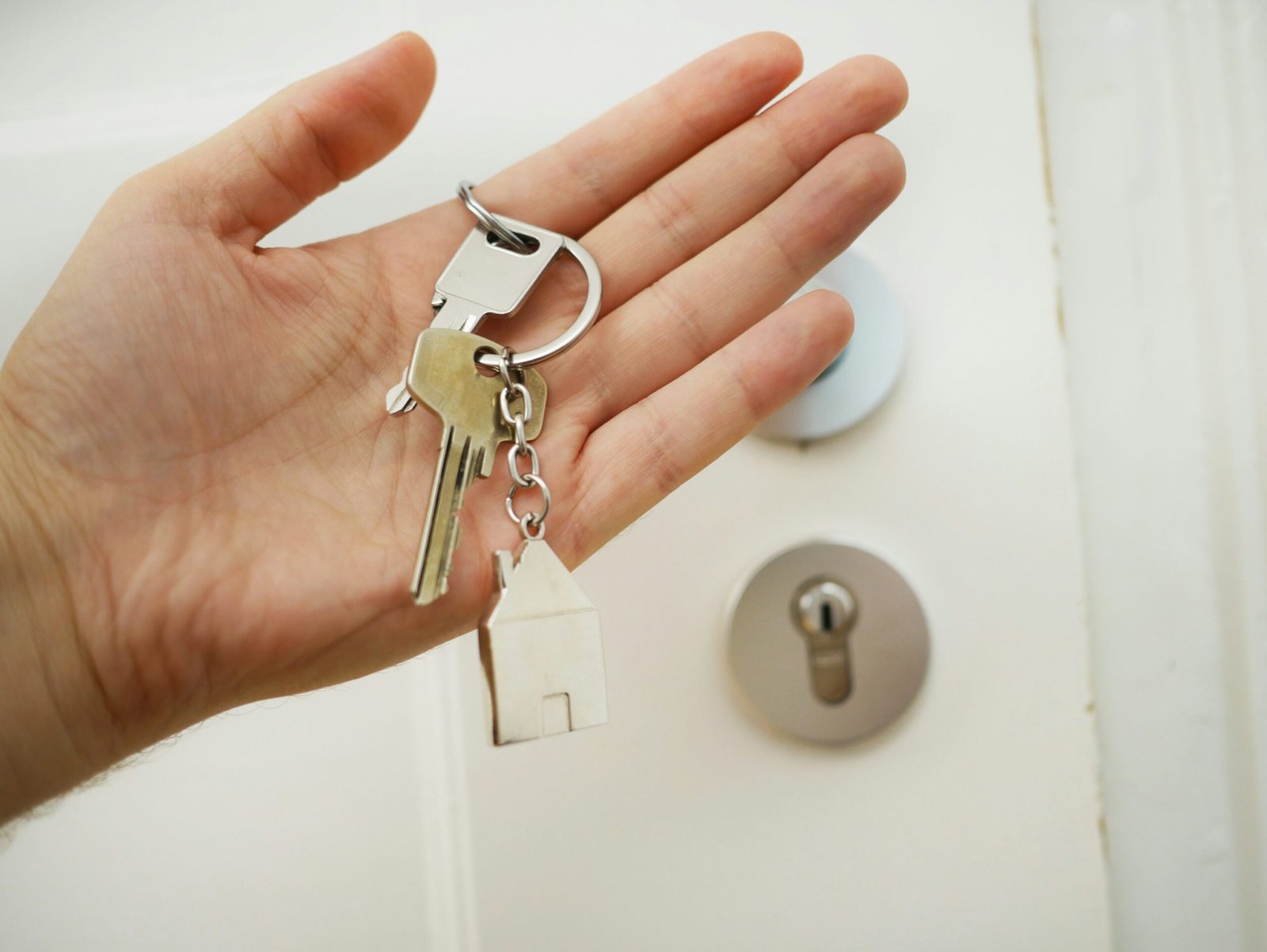
Advertise property safely by sharing useful facts while keeping private documents and sensitive information under control.
Putting a property online should make it easier for suitable buyers to find it. It should not mean giving strangers access to your personal documents, your banking details or your daily routine. A little preparation can help you share useful information while keeping control of the process.
There is no single test that proves an enquiry is genuine. Friendly messages, a professional photograph and an impressive job title are not enough on their own. The useful approach is to build a simple process that treats every new enquiry in the same careful way. That process should protect the owner, the person showing the property and the buyer.
Advertise property safely with clear records
An advertisement needs enough information for a buyer to decide whether to ask a question. Start with the property type, general location, asking price, main rooms and a short description of its condition. Add clear photographs and a way to contact you. A buyer usually does not need your passport, a complete title document or a photograph of your bank book at this stage.
Think about the difference between a useful location and an unnecessary personal detail. A named neighbourhood and a nearby landmark may be enough for an initial advertisement. You can explain the exact meeting point when a viewing is agreed. If a full address is already public, be especially careful not to add information about when the property is empty or when you travel.
Make one approved information sheet. Use it when you answer questions, brief an agent or update a website. This reduces mistakes and means you do not have to improvise a different answer each time someone contacts you.
Use photographs that respect privacy
Before taking photographs, walk through each room as though you were an unfamiliar visitor. Remove paperwork showing names, account numbers, school details or medical information. Check computer screens, calendars, delivery labels and noticeboards. Small details can be readable when someone enlarges a high-resolution image.
Ask permission before including a tenant, a worker or a neighbour in a photograph. It is normally easier to wait until the room is empty. Avoid showing keys in close detail or making security equipment the main subject of an image. Photograph the space buyers need to understand rather than the private life of the people using it.
Keep an original copy of every photograph. If somebody copies your advertisement, those originals can help you explain which material belongs to you. A discreet property reference can also make it easier to match a photograph to the right listing without covering the image in distracting text.
Advertise Property Safely: choose a clear contact arrangement
Decide who will answer enquiries before the advertisement goes live. If several agents are involved, make sure they all have the same price and basic details. Explain who may arrange viewings and who may discuss an offer. Confusion between several contacts creates an opening for misunderstandings.
A separate business email address can help you keep property messages together. You can also use a dedicated contact number if that suits your situation. The aim is an organised channel, not a complicated system. Check that your voicemail, email signature and website contact details all identify the same person or business.
Use a strong, different password for the email account. Enable the account provider’s extra sign-in protection when available. Never share a one-time sign-in code with an enquirer. A code that arrives on your phone is not a normal requirement for someone to view your house or buy your land.
Ask a few ordinary questions
When a new enquiry arrives, ask what the person is looking for, which property they mean and when they hope to view. These are normal questions that help both sides. A genuine buyer may still be at an early stage and may not know every answer. You do not need to demand private documents just because someone asks for more information.
Notice whether the answers fit together. Someone asking about a family house should be able to explain their interest in the location or layout. A message that avoids every property question and moves straight to a payment arrangement deserves more checking.
Keep the early conversation in a channel where you can retain a record. If you speak by telephone, send a short written note afterwards confirming the appointment and what was agreed. This is useful even when everyone involved is entirely honest.
Recognise pressure without becoming suspicious of everyone
Some real buyers need to move quickly. Speed alone does not prove that something is wrong. The concern is pressure that prevents ordinary checking. Be cautious if someone insists that you must pay a fee immediately, open an unfamiliar link or ignore the process you have already explained.
Thailand’s electronic transactions agency publishes practical guidance on checking online sellers and keeping payment evidence. Its 1212 ETDA questions and answers are a useful starting point for broader online safety.
You can respond calmly to pressure. Say that you will review the information and reply through your usual contact channel. You do not need to accuse the person or argue. If a proposed arrangement is sound, a short pause to confirm it should be understandable.
Advertise Property Safely: handle documents in stages
Different information is appropriate at different points. A general enquiry might need a floor plan. A serious discussion may need information about ownership, permissions or existing agreements. Decide with your qualified adviser which documents should be shared, with whom and in what form.
Before sending a document, check that it relates to the correct property and that you are authorised to share it. Where appropriate, use a copy prepared for that recipient rather than sending an unrestricted file to a group chat. Do not remove information that an adviser needs to carry out a proper check; ask how to protect unnecessary personal details instead.
Keep a record of what you sent and when. A simple folder with dated filenames is often enough. If an agent is distributing documents for you, ask them to follow the same approach. Careful document handling should support a genuine transaction, not conceal important facts from a buyer.
Arrange viewings with a simple safety plan
Confirm the visitor’s name, telephone number and appointment time. Tell another responsible person when the viewing is taking place. If you live alone or the property is remote, consider having a second person present. Use normal judgement about who should accompany a visitor around the property.
Secure valuable items, spare keys and personal paperwork before the appointment. Think about pets, children, tenants and staff. Give them reasonable notice and explain which parts of the property will be shown. Do not promise access to an occupied room until you have permission.
After the viewing, check doors and windows and make sure any keys have been returned. Write down the buyer’s questions while you remember them. This creates a useful follow-up record and makes the next conversation more focused.
Keep payment discussions separate from casual messages
Property payments should follow a process agreed with the appropriate professionals and the parties to the transaction. Do not accept a sudden change of bank details simply because it appears in a familiar email chain. Contact the known person through an independently checked number before acting on a change.
The Bank of Thailand’s fraud information provides current guidance about recognising and responding to financial scams. Use the official resource directly rather than relying on a screenshot forwarded by an unknown account.
Be especially careful with messages claiming that you must refund an accidental overpayment before funds have been properly checked. Ask your bank and adviser what has actually happened. A payment notification, a screenshot or a promise that money is on its way is not the same as an independently confirmed payment.
Check agents and advertising services
Before paying for advertising or giving someone authority to act, understand who they are and what they will do. Ask for the business name, contact details, service description and written terms. Check whether the proposed fee is for creating an advertisement, arranging introductions or another clearly described service.
Look beyond a social media profile. Use contact details that you have checked independently. Ask how enquiries will reach you, how price changes are handled and what happens if you withdraw the property. A useful service should be able to explain these ordinary points in clear language.
Give an agent only the authority you intend to give. If an agreement uses language you do not understand, have it explained before signing. Keep a copy of the final version. Clear instructions help a good agent do their job and reduce disagreement later.
Respond to copied or misleading advertisements
Search for your property’s title or a distinctive phrase from time to time. If you find an unauthorised copy, record the page address, date and screenshots before contacting the platform. Explain precisely what is wrong, such as a false price, an incorrect contact number or photographs used without permission.
Warn your own appointed agents so they can recognise confused enquiries. Correct your original advertisement if there is a detail that could be misunderstood. Avoid publishing accusations about a named person before you have established what happened. A factual report to the relevant platform is usually more useful than a public argument.
If you think money or account access is at risk, contact the relevant bank or service through its official channel promptly. Preserve messages and receipts. Do not let someone who contacted you unexpectedly take control of your device to solve the problem.
Advertise property safely and review every enquiry
Safety works better when it becomes routine. Keep an enquiry log, an approved property sheet and a viewing checklist. Save official contact links yourself so you do not need to find them in a hurry. Review who still has keys, documents or authority when the sale process changes.
At the same time, remain helpful. Answer reasonable property questions, explain the next step and give buyers time to make their own checks. An organised process should make an honest buyer more comfortable, not make every conversation feel like an interrogation.
The aim is a clear advertisement and a calm transaction. Share what helps someone understand the property, check important changes independently and ask for professional help when a decision moves beyond your experience. Those habits protect your information while keeping the door open to genuine interest.
Advertise property safely by keeping a record of enquiries and checking information before you share it.
Useful next reading
For your next step, read our how to write a clear property listing that helps buyers. You can also use preparing your home for sale: a calm, practical plan to organise the details. When you are ready to explore actual homes, browse properties across Thailand or send us a property enquiry.