Property Viewing Checklist
A practical property viewing checklist for Thailand
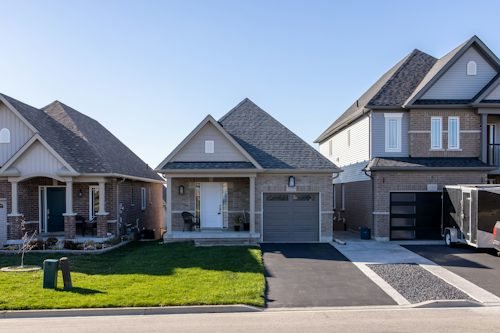
A property viewing checklist helps you compare homes in Thailand with clear notes, practical questions and fewer forgotten details.
Viewing a property is easier when you arrive with a plan. A lovely kitchen or a wide balcony can quickly become the centre of attention, while less exciting questions are forgotten. A checklist helps you enjoy the visit and still collect the information you need. It also makes several homes easier to compare afterwards, when their details start to blur together.
This guide is for an initial viewing, rather than a professional building inspection or a legal check. Its purpose is to help you notice everyday details, ask useful questions and decide what deserves further investigation. Take your time, ask permission before testing equipment or taking photographs, and record unanswered questions instead of guessing.
Your property viewing checklist starts with daily life
Before making an appointment, write down how you expect to use the home. Think about the number of people living there, working from home, cooking, visitors, parking and pets. A spare bedroom may matter less than a quiet place for video calls. Someone who cooks every evening may care more about ventilation and kitchen storage than a larger entrance hall. These are personal priorities, so do not let somebody else’s checklist replace them.
Divide your list into essential features, useful extras and things you can change later. Try to keep the essential list short enough to remember. Include your comfortable spending limit and the location boundaries that work for your household. Share the list with anyone attending the viewing so you can look for different details without pulling the conversation in several directions. A viewing becomes more useful when everyone knows which questions matter most.
Check the journey before the building
Ask for an accurate map pin and confirm where you should meet. A development entrance, a sales office and the actual property may be in different places. Work out the journey from the places you will visit regularly, such as a workplace, school or family home. Include the smaller streets and the final walk rather than looking only at the main road. A short distance on a map does not tell you how convenient a journey feels.
Google explains that its distance measuring tool can measure a straight line or a path between points. Use that information as a starting point, then test the real route yourself. Look for safe places to cross, access after dark, turning space and where visitors would stop. If the location remains a serious option, repeat the journey at a time that resembles your normal routine.
Property Viewing Checklist: walk around outside first
Spend a few minutes outside before going through the rooms. Look at the relationship between the property, neighbouring buildings and the street. Notice whether windows face another wall, a shared walkway or an open area. Check where cars, deliveries and rubbish collection would go. If there is a garden, consider how much work you would realistically want to give it. An attractive outdoor space can become a burden when its upkeep does not fit your life.
Ask where the property boundary is and record the answer. Do not assume a fence, hedge or driveway proves the legal boundary. That is a matter for the documents and the appropriate professionals. For the viewing, simply note anything that seems shared or unclear. Look for obvious drainage channels, patches of standing water and changes in ground level. These observations are prompts for questions, rather than evidence that a property does or does not have a particular problem.
Follow the same route through every home
Choose a simple order, such as entrance, living area, kitchen, bedrooms, bathrooms and outside space. Following the same route reduces the chance of missing a room when a conversation takes an unexpected turn. Pause in each space and imagine an ordinary day there. Can people pass each other comfortably? Is there a sensible place for shoes, bags, cleaning equipment and laundry? Can furniture be arranged without blocking doors or useful windows?
Bring a tape measure if you already own furniture that must fit, and ask before measuring. Write down the measurement and the room name together. A photograph of an empty wall is much less useful a week later if you cannot remember which bedroom it belonged to. Do not rely on furniture in marketing photographs as a scale guide. Different lenses and furniture sizes can make a room look quite different from the way it feels in person.
Look at light, air and noise
Notice which rooms feel bright and which need lights during the day. Ask about the direction of the main windows and consider whether you prefer morning or afternoon light. Look at curtains, shading and the places where air-conditioning units are positioned. A sunny room may be pleasant for one buyer and uncomfortable for another. What matters is whether the combination of light, temperature and ventilation works for the way you intend to live.
Stand quietly for a moment rather than talking throughout the whole viewing. Listen near the front door, in the bedrooms and on the balcony. You may notice road traffic, pumps, neighbouring businesses or building services. One visit cannot show every pattern, so ask about evenings, weekends and nearby activities. If quiet is a major requirement, arrange another visit at a different time. Describe the sound you actually heard in your notes instead of writing a vague judgement such as peaceful.
Property Viewing Checklist: ask before testing water and equipment
With permission, check how taps, showers, doors, windows and basic appliances operate. Ask which items are included in the sale and whether any equipment is currently disconnected. A weak shower during one visit may have several explanations; record what happened and ask for an explanation or a later demonstration. Treat missing information as something to resolve, rather than deciding immediately that it is either harmless or expensive.
Look for obvious stains, damaged finishes, loose fittings and unpleasant smells. Ask when relevant equipment was installed or serviced, and request records where available. Do not open electrical panels, climb onto roofs or attempt to repair anything yourself. If you see a concern involving structure, wiring, gas, water damage or safety, a suitable qualified professional should assess it. A buyer’s viewing checklist cannot replace that person’s inspection, testing or written advice.
Include shared facilities and building management
For a condominium or managed development, ask to see the spaces you would actually use. That might include parking, lifts, stairs, rubbish areas, a pool or a small shared garden. Do not judge the whole building from its entrance photographs. Ask about opening hours, access rules, visitor arrangements and any facility that is closed. A facility shown in an advertisement may need clarification about its present condition or availability.
Request the current schedule of common charges and ask how maintenance decisions are made. Ask whether there are planned works or proposed additional payments that you should investigate. Written answers and supporting records are more useful than a casual assurance. Keep questions about building operations separate from questions about the individual seller’s furniture or decoration. This makes it easier to send each question to the person who can answer it properly.
Think about weather and the surrounding area
Thailand’s weather is not identical everywhere or throughout the year. The government overview of Thailand’s monsoon patterns explains regional differences and notes that seasonal timing can vary. For a property viewing, the practical lesson is to ask what the home and its access routes are like in different conditions. A dry afternoon tells you little about the way a driveway drains during heavy rain.
Ask about previous water entry, drainage maintenance, roof repairs and whether photographs or records are available. Explore where rainwater appears to go around the site, without drawing technical conclusions from appearance alone. Consider covered access from the car, places for wet shoes and whether you could reach essential services comfortably in poor weather. These everyday questions are useful even when a professional will later investigate the building in much greater detail.
Separate observations from sales details
Record the asking price, the date you viewed and the listing reference. Ask what the quoted area measures: indoor space, a balcony, a plot or a combination. Where figures differ between an advertisement and a conversation, keep both versions and request clarification. The same approach applies to bedroom counts, included furniture and any claims about future works. Clear records protect you from accidentally treating an early conversation as a confirmed fact.
Keep a separate list for ownership, title, permissions, contracts and payment questions. Ask an independent qualified adviser to explain the documents relevant to your circumstances before you make commitments. Do not let an attractive viewing turn into a rushed deposit decision. You can be interested in a home while still needing answers. If somebody cannot provide a document immediately, record who will obtain it and when, rather than filling the gap with an assumption.
Review your property viewing checklist after the visit
Soon after leaving, spend ten minutes writing a short review. Record the strongest feature, the biggest concern and the most important unanswered question. Compare the home with your essential requirements before scrolling through its nicest photographs again. If several people attended, let each person share observations before deciding whether the property deserves another visit. Different impressions can reveal a practical issue that one person missed.
Create three possible next steps: reject it for a clear reason, request more information, or arrange another viewing and appropriate professional checks. You do not need to make the final purchase decision at this stage. A successful first viewing gives you a clearer picture and a sensible next action. Keeping the process calm and consistent helps you recognise a home that fits your life, while leaving room to investigate the details that a pleasant tour cannot settle.
Keep your property viewing checklist with the photographs and notes so you can compare homes calmly.
Useful next reading
For your next step, read our home inspection questions that help you understand a property. You can also use how to make a property shortlist you can actually use to organise the details. When you are ready to explore actual homes, browse properties across Thailand or send us a property enquiry.