Home Inspection Questions
Home Inspection Questions That Help You Understand a Property
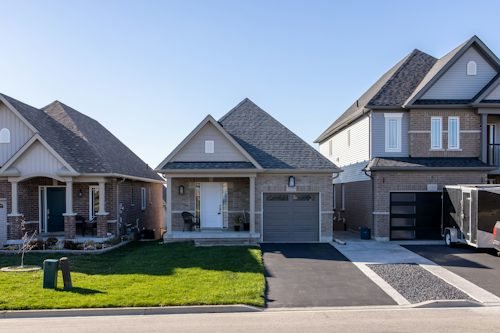
Home inspection questions help you understand what an inspector will examine, what the report means and which issues need more specialist attention.
A home inspection is useful when it turns a vague concern into a clear question. You may notice a mark on a ceiling, an unusual smell or a door that does not close properly. Those observations matter, but they do not tell you the cause, the cost of a repair or whether the problem is serious.
The aim is not to become an electrician, plumber or building engineer during a viewing. It is to know what to ask, which parts need specialist attention and what evidence to request before making a decision. A careful inspection can also help you plan maintenance after a purchase. Start with a competent inspector, a clear scope of work and a willingness to ask for an explanation in ordinary language.
Prepare your home inspection questions before the visit
Ask the inspector to explain the proposed inspection in writing. Which buildings, rooms, systems and outside areas are included? Will the inspection be visual, or will particular tests be carried out? What will be excluded because equipment cannot be accessed or services are not operating?
Find out whether the inspector works independently of the seller and whether they have appropriate experience for the property. A small apartment, a house with a pool and a building with several separate structures may need different skills. Ask how the findings will be recorded and whether you can discuss the report afterwards. Do not assume that the word inspection means every hidden part of the building will be examined or that every future fault can be predicted.
Prepare questions before the appointment
Send the inspector a short list of concerns, photographs and the available floor plan. Include anything you noticed during earlier visits, such as a ceiling stain, a noisy pump or a strong smell near a bathroom. State what you observed and where, without presenting your own diagnosis as a fact.
Ask the owner for relevant repair records, servicing records and information about changes to the building. If a room has been extended, a wall moved or a bathroom added, let the inspector know. Ask what supporting information would help assess that work. A prepared inspection is more productive than arriving with a long collection of unrelated worries. It also gives the owner time to arrange access and make relevant records available.
Home Inspection Questions: ask about the roof from a safe position
Roof problems are often difficult for a buyer to judge from ground level. Ask the inspector which roof areas can be seen safely and whether any parts require a separate specialist visit. Request an explanation of visible wear, damaged coverings, drainage arrangements and signs of earlier leaks.
Do not climb onto a roof or enter an unsafe roof space to improve your own viewing. Photographs taken safely by an appropriate professional may be more useful than a risky look. Ask whether a ceiling stain appears dry or shows signs that further investigation is needed, and what test or record could help distinguish the possibilities. A newly painted ceiling should not be treated as proof of a repaired roof. Ask for the history of the problem and the work undertaken.
Understand cracks without guessing
Cracks can be alarming, but photographs alone do not establish their cause. Ask the inspector to record their location, appearance and any related signs, such as movement around windows or doors. Find out which observations are cosmetic concerns and which need a structural specialist.
Ask whether more information is needed before reaching a conclusion. That might include construction details, a history of alterations or monitoring over time. Avoid accepting a simple reassurance that every crack is normal, just as you should avoid assuming that every crack means a serious defect. You need an explanation that connects the observation with the recommended next step. If the inspector cannot determine the cause within the agreed scope, the report should make that uncertainty clear.
Look for the story behind damp and staining
Ask where moisture may be entering or collecting, and whether the pattern changes after rain or during use of a bathroom. Possible explanations need professional assessment. A stain on one side of a wall does not tell you which system or surface is responsible.
Request information about previous leaks, waterproofing work and repeated repairs. Ask whether cupboards, skirting boards or fixed furniture conceal areas the inspector cannot see. Be cautious about agreeing a repair based only on removing the visible mark. Cleaning or repainting may improve appearance without addressing the cause. A useful recommendation explains what should be investigated, which trade should attend and what evidence would show that the underlying problem has been dealt with.
Home Inspection Questions: ask practical questions about plumbing and drainage
With permission and appropriate supervision, ordinary use of taps and bathroom fittings can help reveal questions about the system. Ask the inspector how water pressure, drainage, leaks and hot-water equipment will be assessed. Find out which parts cannot be inspected because they are hidden or inaccessible.
Ask the owner where shut-off controls, tanks, pumps and service access points are located. Do not dismantle fittings or operate unfamiliar equipment yourself. If the property uses a public water supply, establish the responsible provider and ask about the account and meter. The Provincial Waterworks Authority customer guide explains services for its customers. It does not establish the condition of a particular home’s internal pipes or replace an inspection.
Leave electrical checks to a qualified person
Electrical systems deserve specialist attention, especially when there are visible alterations, exposed wiring, damaged fittings or signs of water nearby. Ask who will inspect the system, what their assessment includes and whether any further tests are recommended.
Do not remove covers, touch exposed conductors or test unfamiliar wiring during a viewing. Ask the professional to explain the location of the main isolation point, the general condition of the installation and any safety concerns in plain language. The Provincial Electricity Authority provides official electricity and safety information. For a particular property, use the relevant electricity provider and a competent electrician. A working light or a charging phone does not show that an entire installation is satisfactory.
Discuss cooling, ventilation and everyday comfort
An air conditioner may switch on without working well in normal use. Ask about its age, servicing history, noise, drainage and any visible leaks. If equipment has not been used recently, find out how the inspector will assess it and what remains untested.
Look beyond cooling machines. Discuss ventilation in bathrooms, storage areas and rooms that are often closed. Ask about signs of condensation or persistent smells and whether they need further investigation. Think about how you will actually use the home: cooking, drying clothes, working in a closed room or leaving the property unoccupied for a period. A comfortable inspection day does not answer every question about temperature, airflow or moisture through the year.
Check doors, windows and the spaces around them
Ask the inspector to examine accessible doors and windows for operation, damage, seals and signs of water entry. A window that opens easily on a dry day may still have a problem with rain, while a stiff door may have more than one possible cause.
Think about maintenance as well as appearance. Can damaged parts be repaired or replaced with available components? Is there safe access for cleaning and servicing? Ask about locks and security fittings without assuming that a particular product makes the whole property secure. For high windows or balconies, leave access and testing to competent people. Your notes should distinguish a minor adjustment from an issue that needs investigation before you can judge its importance or likely cost.
Include shared areas when buying a condominium
Your apartment is only part of the property you will use. Ask what can be inspected in shared areas and what information should come from the building’s management. Discuss visible condition in corridors, lifts, parking areas, roofs, drainage and shared equipment where access is authorised.
An inspector’s report on your unit may exclude the wider building. Make that boundary clear. Ask management about maintenance records, planned work and the way owners receive information about problems. The Office of the Consumer Protection Board’s property information encourages careful checking of property details and related costs. Use independent advice to understand the actual building documents and obligations. A tidy lobby is useful to see, but it is not a complete picture of maintenance.
Read the report as a set of decisions
Ask the inspector to separate immediate safety concerns, issues needing further investigation, repairs and routine maintenance. Photographs should identify the relevant location, and recommendations should explain what the next step is. If a sentence is unclear, ask for a simpler explanation.
Do not turn a report into a single score for the whole property. One serious unresolved issue may matter more than many small cosmetic items. At the same time, a long list of routine maintenance does not automatically make a home unsuitable. Discuss the findings with the appropriate professional and request quotations based on a clear scope. An inspector may identify a problem without providing a reliable repair price, and a contractor may need to investigate before quoting.
Turn home inspection questions into clear next steps
If the seller offers to repair something, record exactly what is agreed and have the arrangement addressed appropriately in the transaction documents. Identify the work, the responsible contractor, the timetable and how completion will be checked. Avoid treating a vague promise to fix everything as a finished solution.
Where suitable, ask your inspector whether a follow-up visit is needed. Keep reports, photographs, quotations and service records together. If you proceed with the purchase, use them to prepare a maintenance plan instead of forgetting them after handover. A good inspection does more than help you decide whether to buy. It gives you a clearer understanding of the home, the work it may need and the questions you should continue asking.
Take your home inspection questions to an independent professional and ask for clear explanations of the report.
If you are considering solar panels after a purchase, read SolarSunThai’s roof-readiness guide for questions to discuss during a solar assessment. Bring relevant findings from the home inspection to the installer so the next assessment starts with clearer information about the building.
Useful next reading
For your next step, read our a practical property viewing checklist for thailand. You can also use property documents: useful questions before you commit to organise the details. When you are ready to explore actual homes, browse properties across Thailand or send us a property enquiry.