Moving Home In Thailand
Moving Home in Thailand: A Practical Plan from Packing to Handover
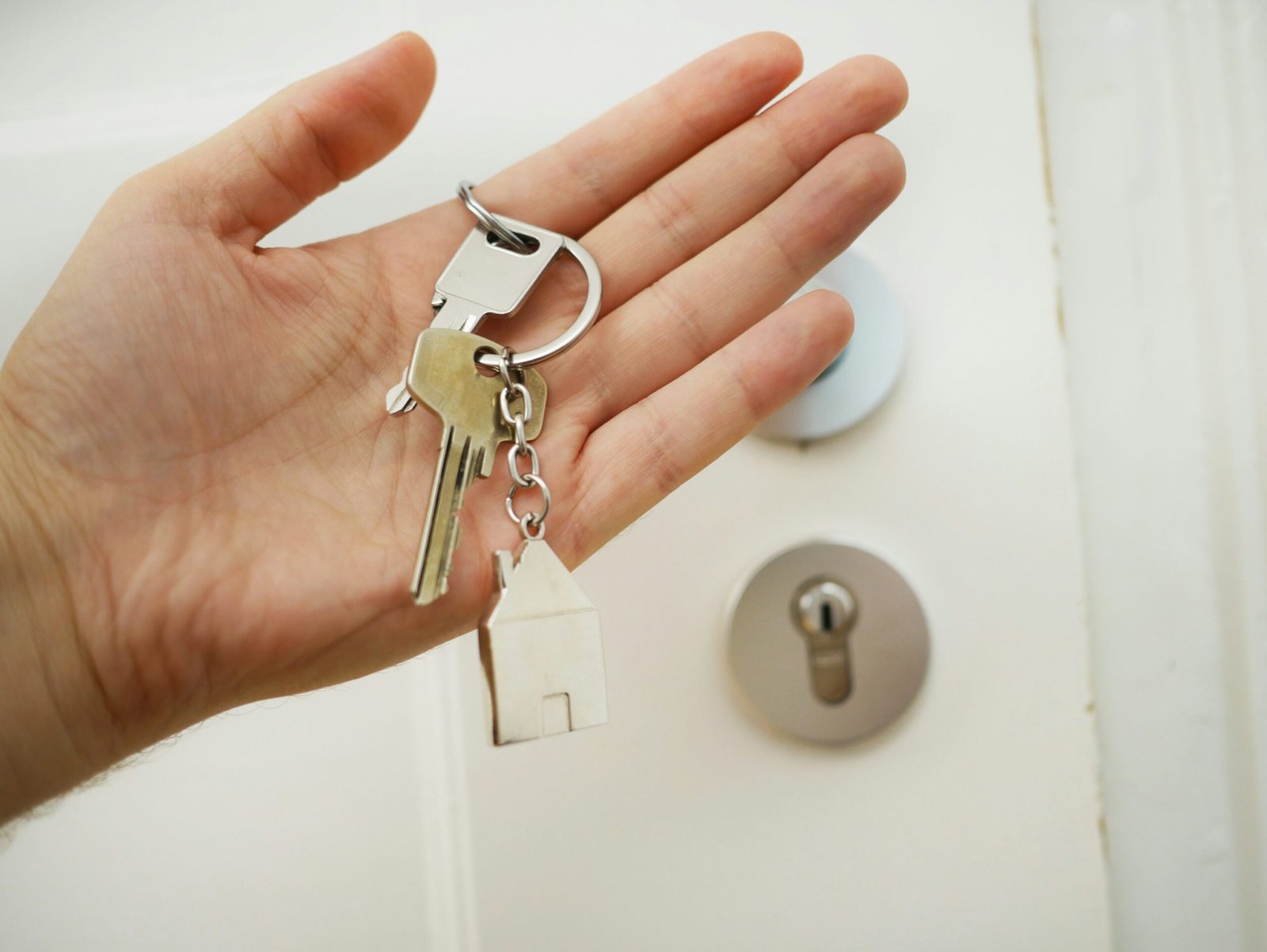
Moving home in Thailand is easier when you plan access, packing, utilities and handover in a sensible order. Start with the dates and the people involved.
Moving home brings together many small jobs. Boxes need labels, keys need collecting, services need arranging and someone needs to know where the kettle has gone. None of those jobs is especially surprising on its own. The difficulty comes when they all need attention at the same time.
A practical moving plan gives each job a date, a person and a clear next step. It also leaves some room for delays. Whether you are moving between two apartments or from a city condominium to a house in another province, begin with the arrangements that affect access, safety and your first few days. Then organise possessions and paperwork around those arrangements. The aim is not a perfect moving day. It is a move that you can manage without losing track of the important details.
Moving home in Thailand: begin with a workable plan
Find out when you can collect keys and when you are allowed to bring in furniture. A date in your personal diary is not enough if the property has not been handed over or the building has specific moving arrangements. Get the practical details agreed with the appropriate people.
For an apartment, ask about service lifts, loading areas, permitted times and any booking process. For a house, check gate access, parking and the route a moving vehicle will take. If a tenant or owner is still in occupation, clarify the handover before making a firm delivery plan. Leave a sensible gap between a hoped-for completion date and arrangements that would be difficult to change. Your legal adviser can explain any transaction conditions that affect possession.
Make one shared moving list
Keep the main list in one place that the relevant people can access. Divide it into tasks before the move, jobs on moving day and follow-up work. Add the contact details of the mover, property representative, building office and anyone arranging services.
Assign an owner to each task. A note saying arrange internet is less useful than a note saying who will call, what they need to ask and when an answer is expected. Mark completed arrangements separately from requests that are still waiting for confirmation. Keep a paper copy of essential telephone numbers as well as your digital version. If a phone battery runs out or a message thread becomes hard to find, the move should not stop because all the useful information is trapped on one device.
Moving Home In Thailand: decide what is worth moving
Walk through your current home before ordering packing materials. Separate possessions you use, items you want to keep for a clear reason and things you no longer need. Consider the space and layout of the new home rather than moving every item automatically.
Measure large furniture and compare it with the destination rooms, doors and access routes. A sofa may fit in a room but fail to pass a stair turn or lift entrance. Ask the moving company to assess difficult items before the day. If you choose to sell, donate or dispose of possessions, allow enough time to do so properly. Do not leave unwanted items behind unless that has been clearly agreed with the person responsible for the property.
Get a clear moving quotation
Ask the moving company to explain what the quotation includes. Check packing, boxes, dismantling, reassembly, loading, travel, unloading and the handling of fragile or unusually heavy items. Describe access restrictions at both properties accurately.
Ask what happens if the date changes, if access is delayed or if extra work is required. Discuss damage procedures and any cover offered, and read the relevant terms. Keep the written quotation and acceptance together. A cheaper headline price can be difficult to compare if one company includes packing and another only provides transport. Your aim is to understand the service being offered and what you will need to organise yourself. Give the mover accurate information rather than hoping a difficult item will be straightforward on the day.
Pack by destination and label clearly
Label each box with the room it belongs in and a brief description of the contents. Use a simple numbering system if you want to keep an inventory. Mark fragile items clearly, but also make sure they are packed appropriately rather than relying on a warning written on the box.
Avoid putting everything important in one very heavy container. Keep books and dense items in manageable boxes, and ask the mover about suitable handling for delicate possessions. Photograph the connections behind equipment before disconnecting it if that will help you set it up again. Put screws, brackets and small parts in labelled bags that stay with the relevant furniture. Clear labels reduce repeated lifting and make it easier to find what you need while the new home is still unsettled.
Moving Home In Thailand: keep essential items with you
Prepare a bag for your first day and night. Include medicines you normally use, personal documents, chargers, basic toiletries, a change of clothes and whatever you need for children or pets. Keep valuables and irreplaceable items under appropriate personal control rather than mixing them into general boxes.
Think about practical comfort as well. You may want drinking water, simple food, towels, bedding and a small set of cleaning supplies available without opening several containers. Keep important keys separate and labelled. If the move runs late, you should still be able to wash, rest and deal with the next morning. The essential bag is not an excuse to carry unnecessary possessions yourself; it is a way to protect the few things you need immediate access to.
Arrange utilities and record meters
Find out which providers serve the new home, which accounts need action and who is responsible for each request. Do not assume that the arrangements at your old property apply at the new one. Ask about electricity, water, internet and any other service you rely on.
The Provincial Waterworks Authority’s customer guide explains services for customers in its areas. Check the relevant provider and branch for your exact property rather than assuming a general procedure covers every location. Record meter readings at the agreed handover points, with clear photographs where appropriate. Keep final bills and account references together. Ask for confirmation of any transfer, closure or new connection so that an unanswered request does not become a surprise after the move.
Plan for the building and the weather
Protect shared areas and follow the building’s moving arrangements. Ask where packing materials can be placed and how rubbish should be handled. Make sure movers know which lift, entrance and parking area they should use, particularly if the address has more than one access point.
Check the Thai Meteorological Department’s forecast as moving day approaches. Discuss a practical rain plan with the moving company, including how possessions and access routes will be protected. Do not improvise unsafe carrying routes because the weather is inconvenient. If conditions or access make a task unsafe, pause and work out a better arrangement. A timetable is useful, but keeping people and belongings safe takes priority over finishing at an exact minute.
Make arrival safe before opening every box
On arrival, check that the agreed rooms and routes are accessible. Confirm where furniture will go before the mover starts unloading. Keep passages, doors and stairs clear so that people do not have to step around loose packing while carrying heavy items.
Ask a competent person to deal with electrical or gas connections where specialist work is needed. Do not reconnect unfamiliar equipment by guessing or use damaged leads because the correct one is still packed. The Provincial Electricity Authority provides official electricity and safety information; use the relevant provider and a qualified electrician for property-specific concerns. Set up the essentials first, then unpack at a pace that lets you notice problems and keep the home usable.
Record the condition at handover
Walk through the new property with the responsible person where possible. Check the agreed inventory, keys, access cards and manuals. Record any issue that needs follow-up, including where it is, when you noticed it and who will respond.
Keep that record factual and separate from your moving inventory. A scratched table and a damaged wall need different discussions. If work was agreed before handover, check how completion will be confirmed. Avoid signing a statement you do not understand simply because everyone is busy unloading. At the old property, carry out the agreed final clean, remove your possessions and record meter readings. Return keys and cards using a clear handover process rather than leaving them somewhere without confirmation.
Update the places that need your address
Make a list of the organisations and people who need your new contact details. This may include banks, insurers, employers, delivery accounts and service providers, depending on your circumstances. Update information through official channels rather than responding to unexpected messages asking for personal data.
Keep a record of which updates are complete. If you are unsure about residence registration, immigration reporting, insurance cover or another formal requirement, ask the relevant authority or a qualified adviser about your situation. Do not assume that changing an address on one account updates everything else. Redirect important correspondence where an appropriate service is available, and arrange access to any essential documents still being sent to the old address.
Moving home in Thailand: check the final details
After the move, unpack in an order that supports daily life. Make the sleeping area, bathroom and basic kitchen usable before spending hours arranging decorative items. Check deliveries against your inventory and report any missing or damaged item through the agreed process.
Keep a short list of follow-up jobs rather than trying to remember every loose end. Note a service appointment, a missing key or a repair that needs attention. Review the list after your first ordinary week, when practical issues are easier to notice. Moving home is a transition rather than a single day. A clear plan, useful records and patient follow-up can make that transition much calmer and help the new place begin to feel like home.
Moving home in Thailand becomes easier when each person knows the dates, access arrangements and handover tasks.
Useful next reading
For your next step, read our renting before buying in thailand: how to make the time useful. You can also use how to make a property shortlist you can actually use to organise the details. When you are ready to explore actual homes, browse properties across Thailand or send us a property enquiry.